

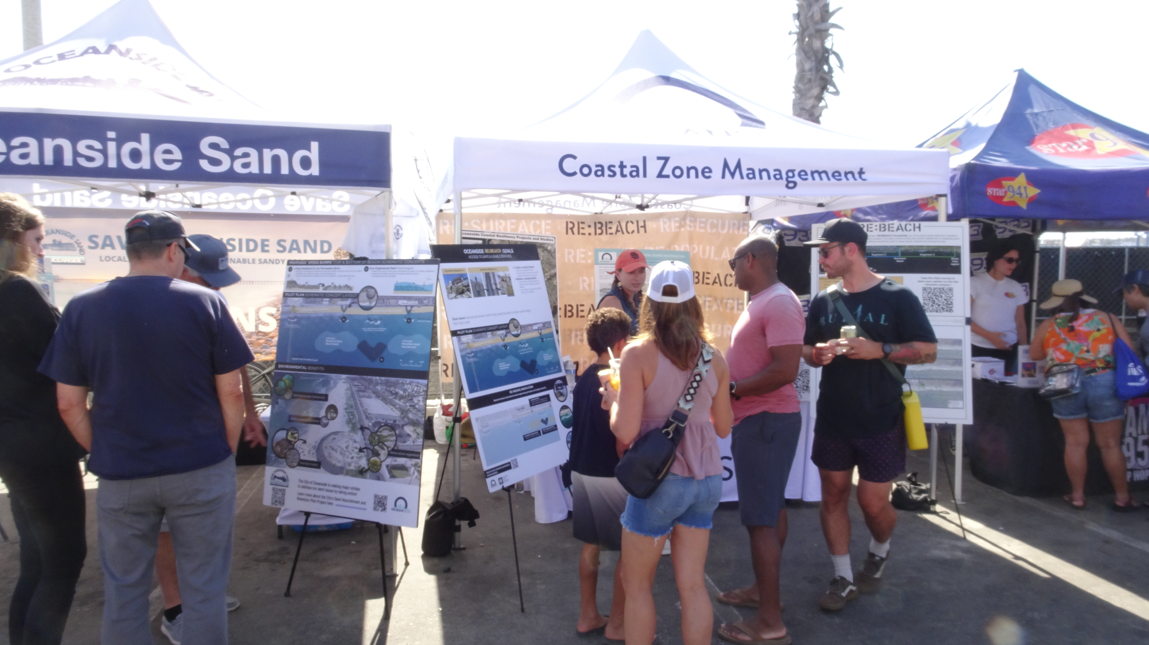
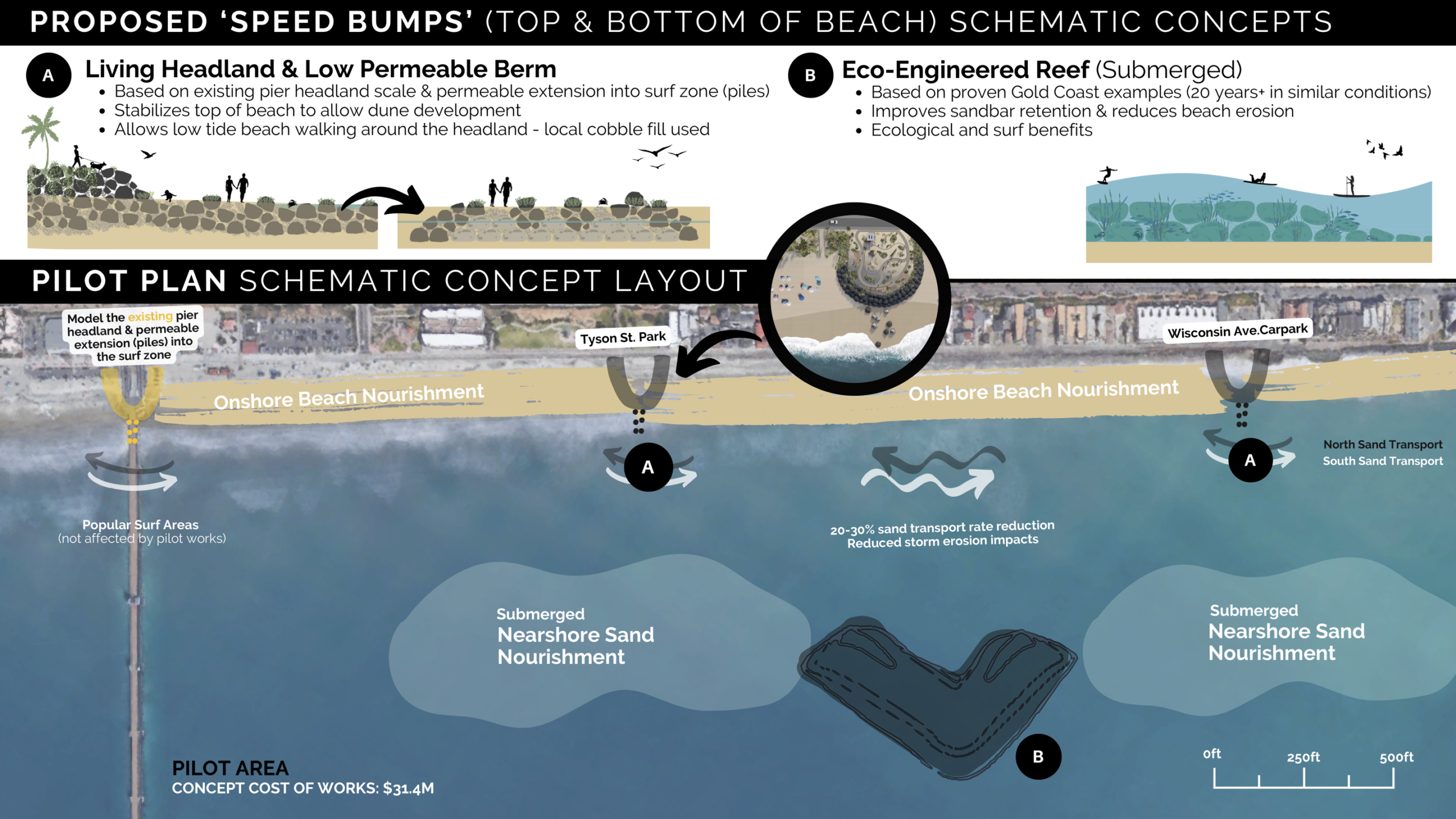
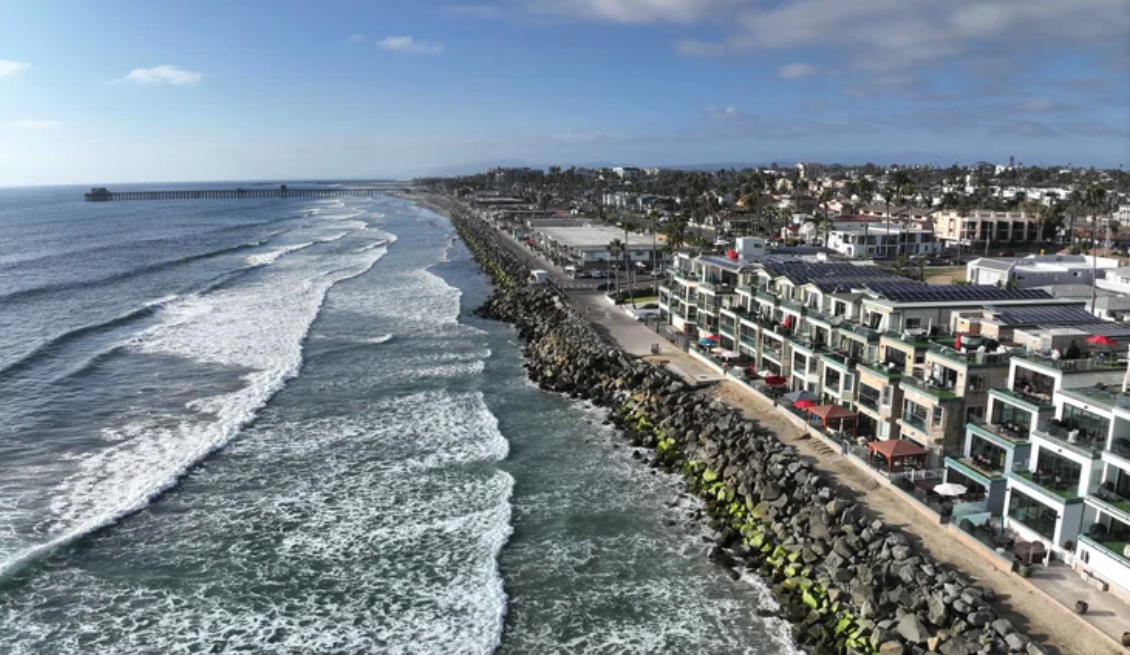
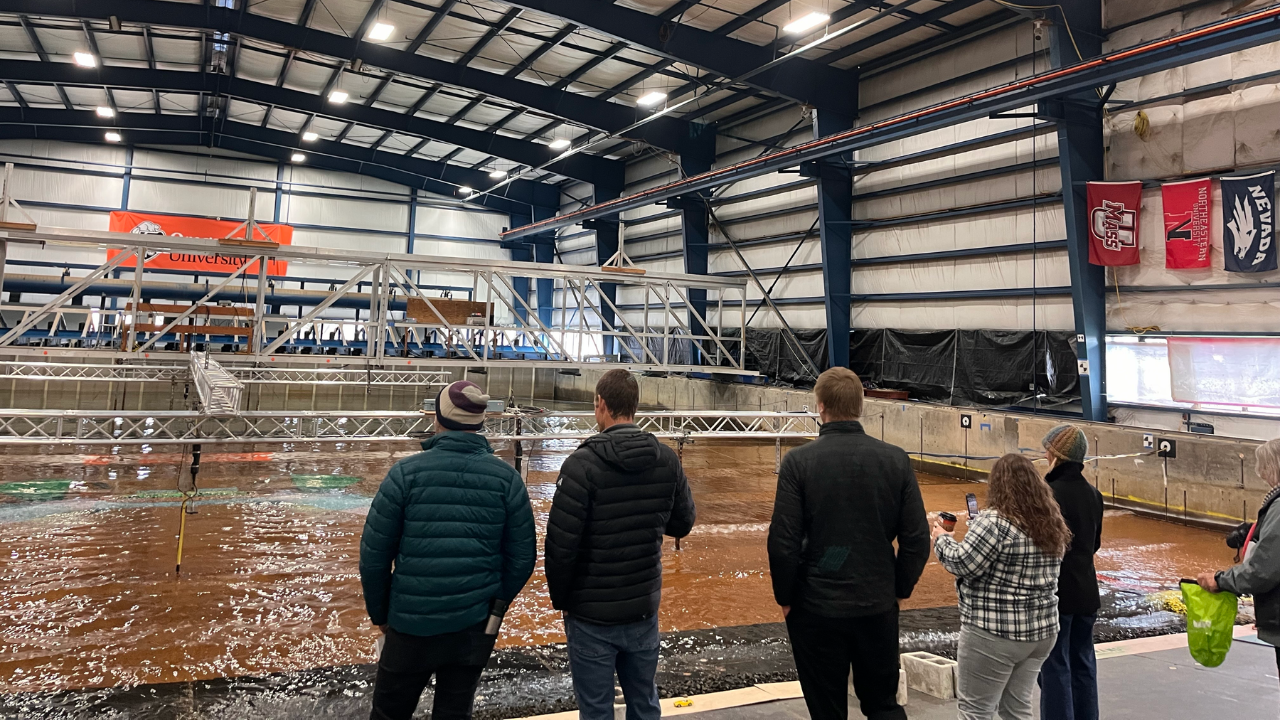
 Oceanside, California
 Mexico City, Mexico and Chennai, India
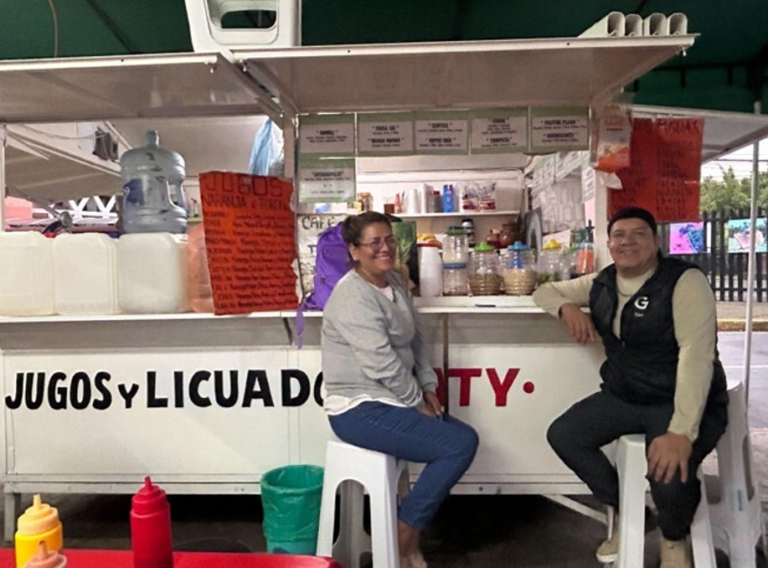
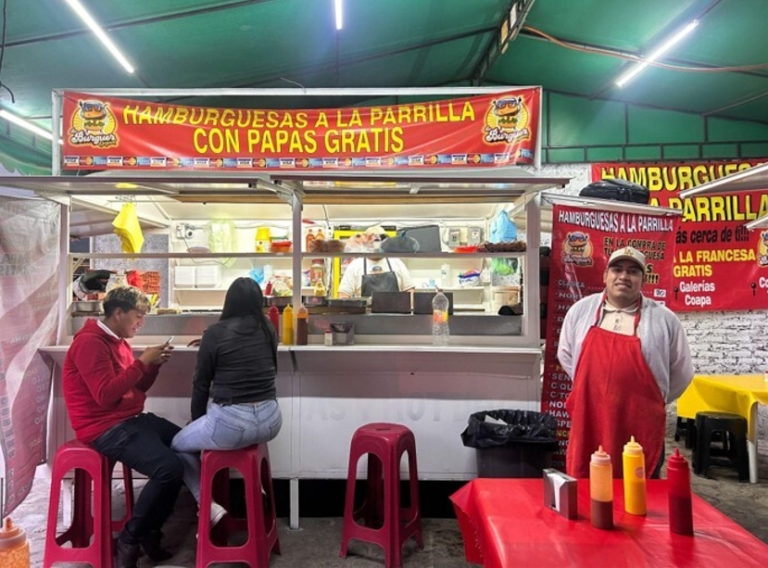
Across many cities worldwide, street vendors form the backbone of local economies — and are often among the most exposed to climate risks such as extreme heat, flooding, and limited access to shade or water.
RCC partners with vendors, designers, local governments, and universities to co-develop and implement practical solutions that improve both the climate and economic resilience of these vendors and their surrounding communities.
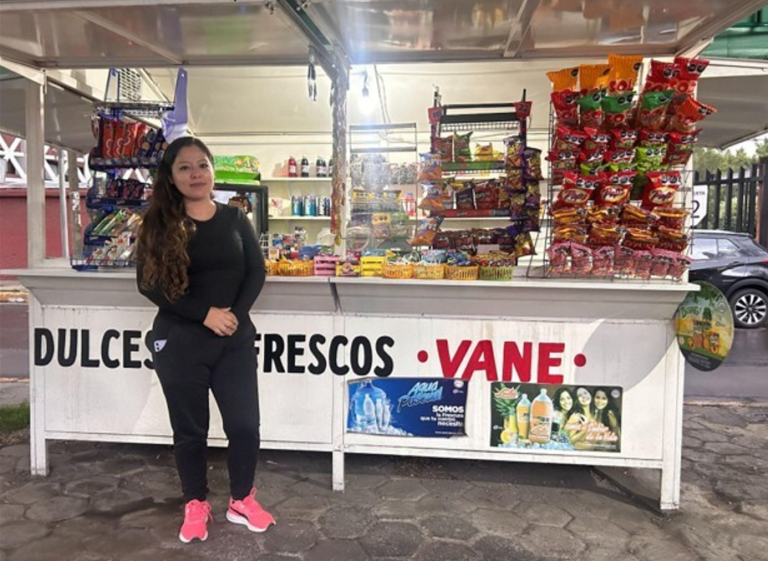
In Mexico City, RCC and local collaborators supported vendors along the Miramontes corridor in Tlalpan to prioritize and design a rainwater capture system, improved drainage, and a ventilated roof structure that directly addresses their major concerns with safety and loss of sales due to heat and heavy rains.
In Chennai, RCC worked with local design teams and vendors to prototype climate-resilient vending kiosks — modular stalls designed to improve thermal comfort and protect goods from heat and rain.These kiosks are adaptable for both mobile and stationary use, ensuring flexibility for different vendor needs and urban contexts.
Together, these projects show how community-led design can help workers and economies adapt to a changing climate.
Pittsburgh, Pennsylvania
In Pittsburgh, RCC partnered with city leadership and local organizations to strengthen the city’s urban forest as climate infrastructure. The project was funded by Google.org through the ICLEI Action Fund.
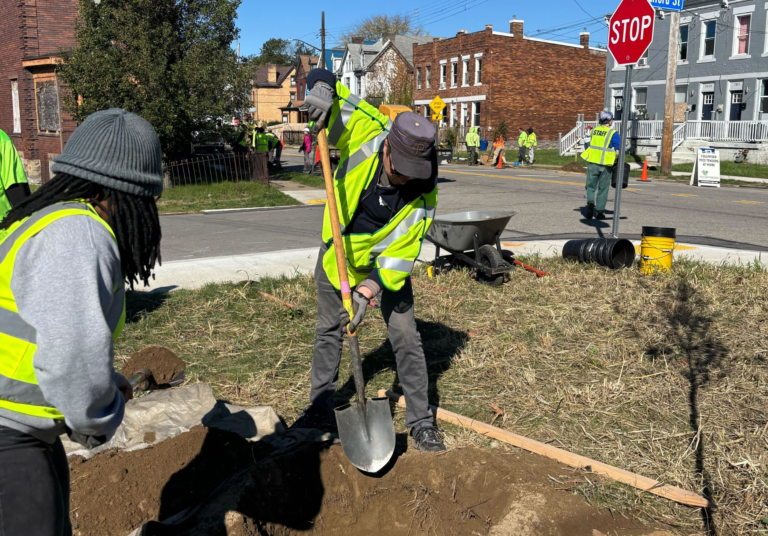
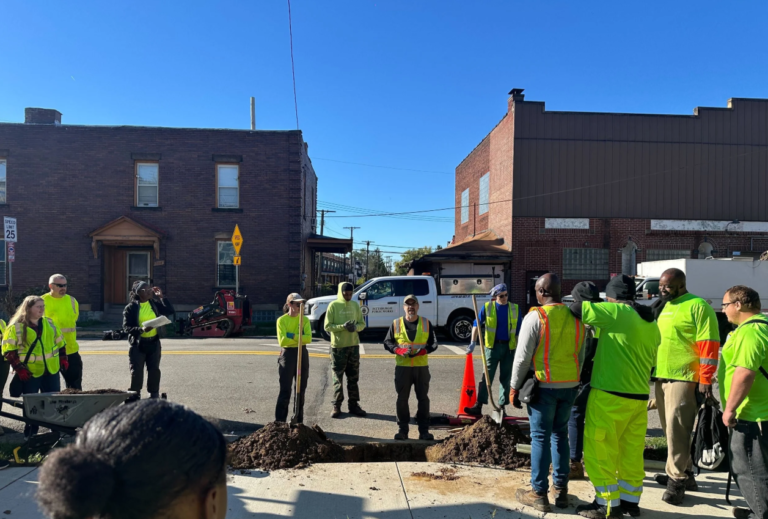
Working with four main partners — the City of Pittsburgh, Tree Pittsburgh, CONNECT, and the Western Pennsylvania Conservancy — the project supported five community tree planting events across Hazelwood, Beltzhoover, and Homewood, helping plant or distribute nearly 300 trees in neighborhoods facing elevated heat and flood risk.
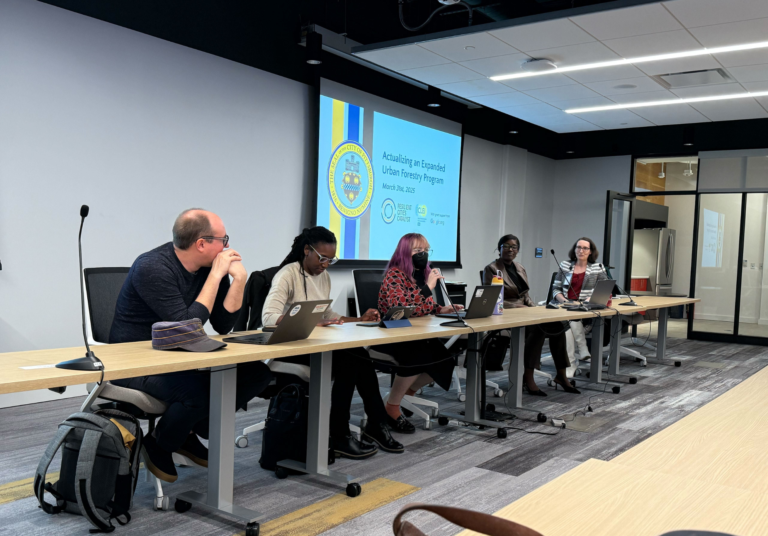
Beyond the plantings themselves, the project helped the City update its tree planting standard operating procedures, shifting from a resident-request system toward a data-driven approach that prioritizes neighborhoods with the greatest climate vulnerability.
Together, these efforts are helping Pittsburgh treat its urban forest as the essential climate infrastructure it is — reducing heat, managing stormwater, and improving neighborhood resilience.
NYC (Brownville, Brooklyn and Corona, Queens)
Extreme heat increasingly threatens neighborhood small business districts across New York City – reducing foot traffic that drives economic activity and posing health risks to workers, commuters, and residents alike.
RCC partnered with community organizations and City agencies to pilot cooling solutions that help small business corridors — anchors of employment and key sources of goods and services for neighborhoods — remain safe and active during hot weather.
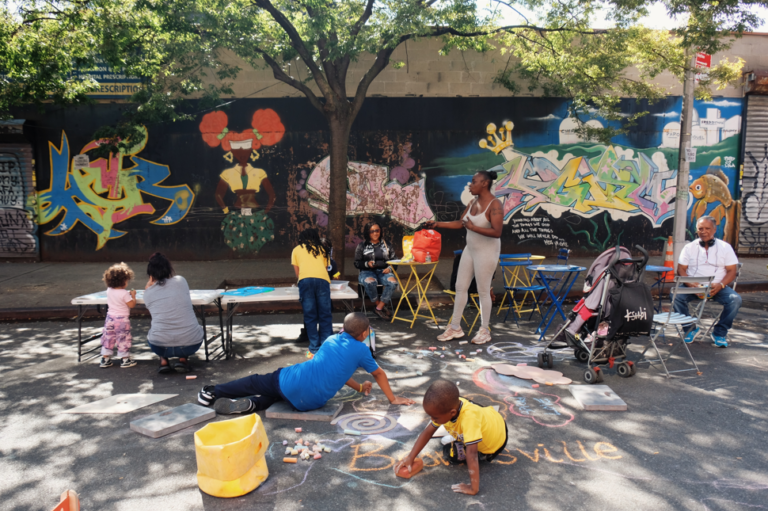
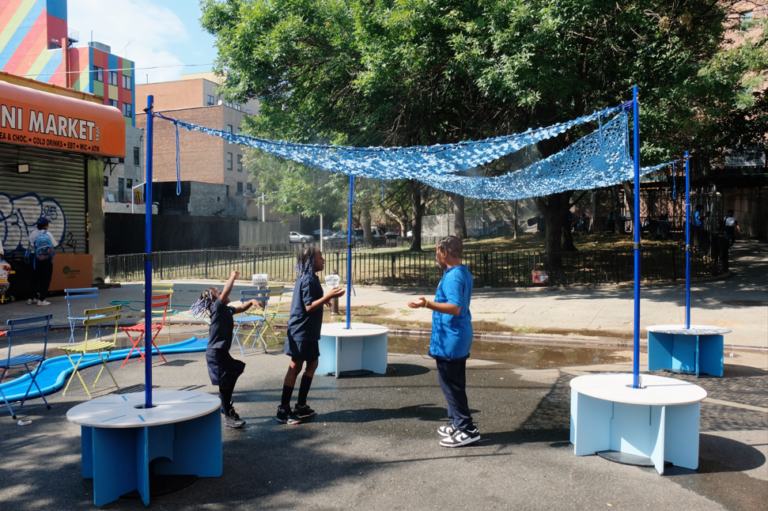
In Brownsville, RCC worked with the Pitkin Avenue Business Improvement District to transform an underused street near public housing into a cooling and gathering space with shade structures, misting systems, and cooling resources for residents and workers. The team is also bringing more trees to the corridor while designing and piloting new solutions like a bus stop shelter with a green roof and a shaded tree guard bench.
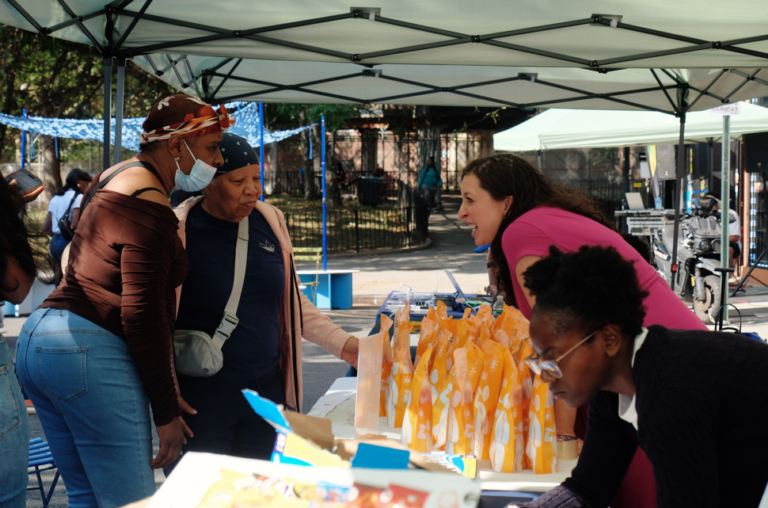
RCC deployed similar heat resilience activations in Corona Plaza, with a focus not only on residents and visitors but also on local street vendors. Vendors reported that shaded areas helped them stay open and attract customers during periods of extreme heat.
These pilots are helping shape longer-term investments in cooling infrastructure and climate-ready small business corridors across the city.