Turning storm recovery into a development framework, with a resilience hub and resilient housing as its first projects.
The Problem
Seven years after Hurricane Dorian, many neighborhoods across Freeport, Grand Bahama, are still struggling to recover. The Category 5 storm struck in 2019, devastating homes and communities. Before recovery could take hold, COVID-19 further disrupted the economy and supply chains, deepening the crisis. Many residents left the island, while others continue to live in damaged homes, some still covered by blue tarps. These conditions expose families to mold and other health risks, while the disaster’s lasting trauma continues to affect mental health, particularly among women and children.
However, Freeport’s housing crisis predates Hurricane Dorian. Long-standing property ownership challenges and disinvestment left many homes vulnerable before the storm. Some abandoned properties are occupied by families without clear legal title, limiting their ability to secure financing and make essential repairs. Over time, homes have deteriorated, while Freeport’s complex governance structure has made coordinated recovery and neighborhood redevelopment more difficult.
Today, Freeport faces additional pressure as investment returns to the island. Approximately $3.5 billion in port upgrades and cruise line developments is driving economic activity and attracting workers, increasing housing demand and pushing prices upward. This presents a critical challenge: ensuring economic growth benefits residents while addressing the unfinished recovery from Dorian. Safe, affordable housing and stronger climate resilience are essential to sustainable growth.
Against this backdrop, a new partnership is translating the Minister for Grand Bahama’s vision into a practical roadmap for resilient communities. Building on three years of collaboration through Cities Forward, a U.S. Department of State-sponsored program, Resilient Cities Catalyst (RCC) and the University of Miami are partnering with the Ministry for Grand Bahama to advance a community development framework for Garden Villas and Drake Avenue. Grounded in residents’ priorities and lived experiences, the effort aims to create safer, more resilient neighborhoods that support long-term community well-being.
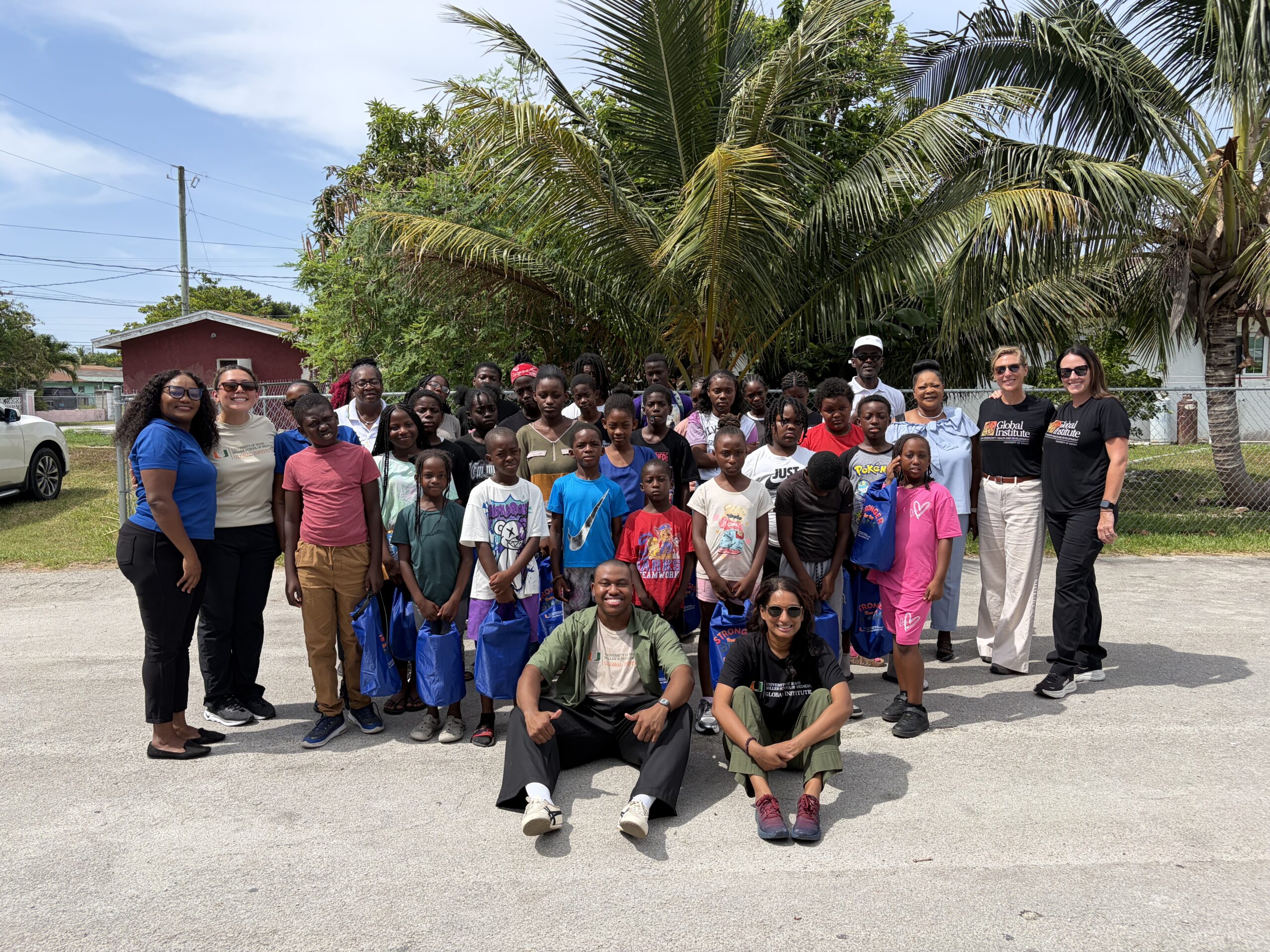
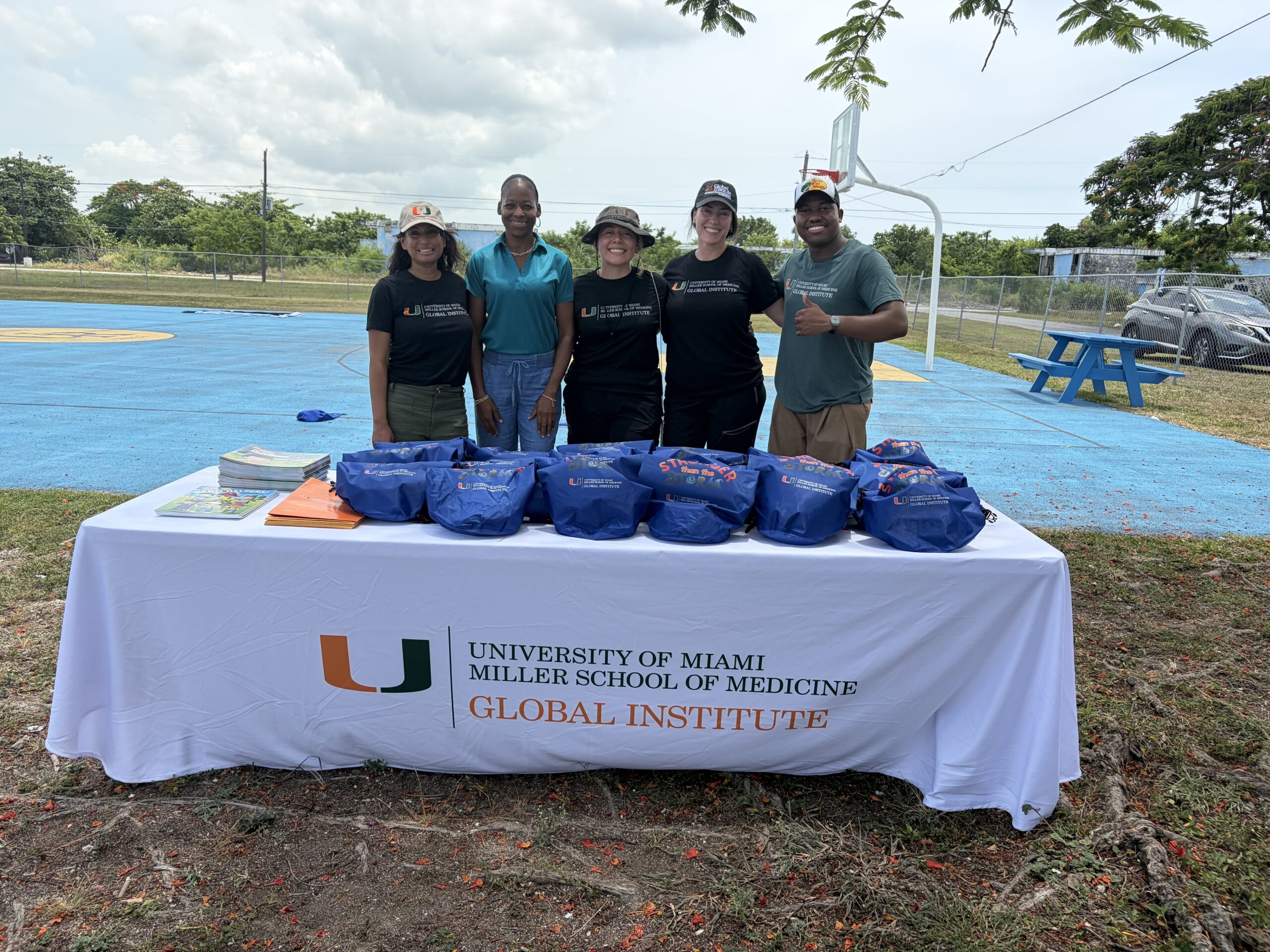
The partnership combines expertise in design, climate resilience, and financing to turn this vision into action. University of Miami architecture students are developing concepts for resilient housing, public spaces, and the Pineridge Resilience Hub. The University’s Climate Resilience Institute is connecting the Innovate242 Center for Sustainability with South Florida resilience innovators to foster knowledge-sharing. Meanwhile, RCC is working with the Ministry to engage funders and identify financing opportunities for neighborhood priorities, while collaborating with national leaders to strengthen how The Bahamas plans, prioritizes, and finances resilience projects.
Together, these efforts aim to move beyond repairing Hurricane Dorian’s damage and lay the foundation for inclusive, climate-ready neighborhoods where residents can access safe housing and future investments contribute to a stronger, more resilient Grand Bahama.
Intended Outcomes
The project aims to make Freeport a place where the people who live there today can thrive, and where those returning or arriving for new jobs find a community ready to welcome them. That means adding new homes across Freeport, starting in Garden Villa and Drake Avenue, built to withstand future storms and serving a mix of incomes. The Pineridge Resilience Hub will anchor the community in calm weather and in crisis. The approach developed in Freeport is meant to serve as a model for resilience across The Bahamas.
Our Work Streams
- A Resilient Development Framework translating recovery goals into priorities, responsibilities, and investment opportunities.
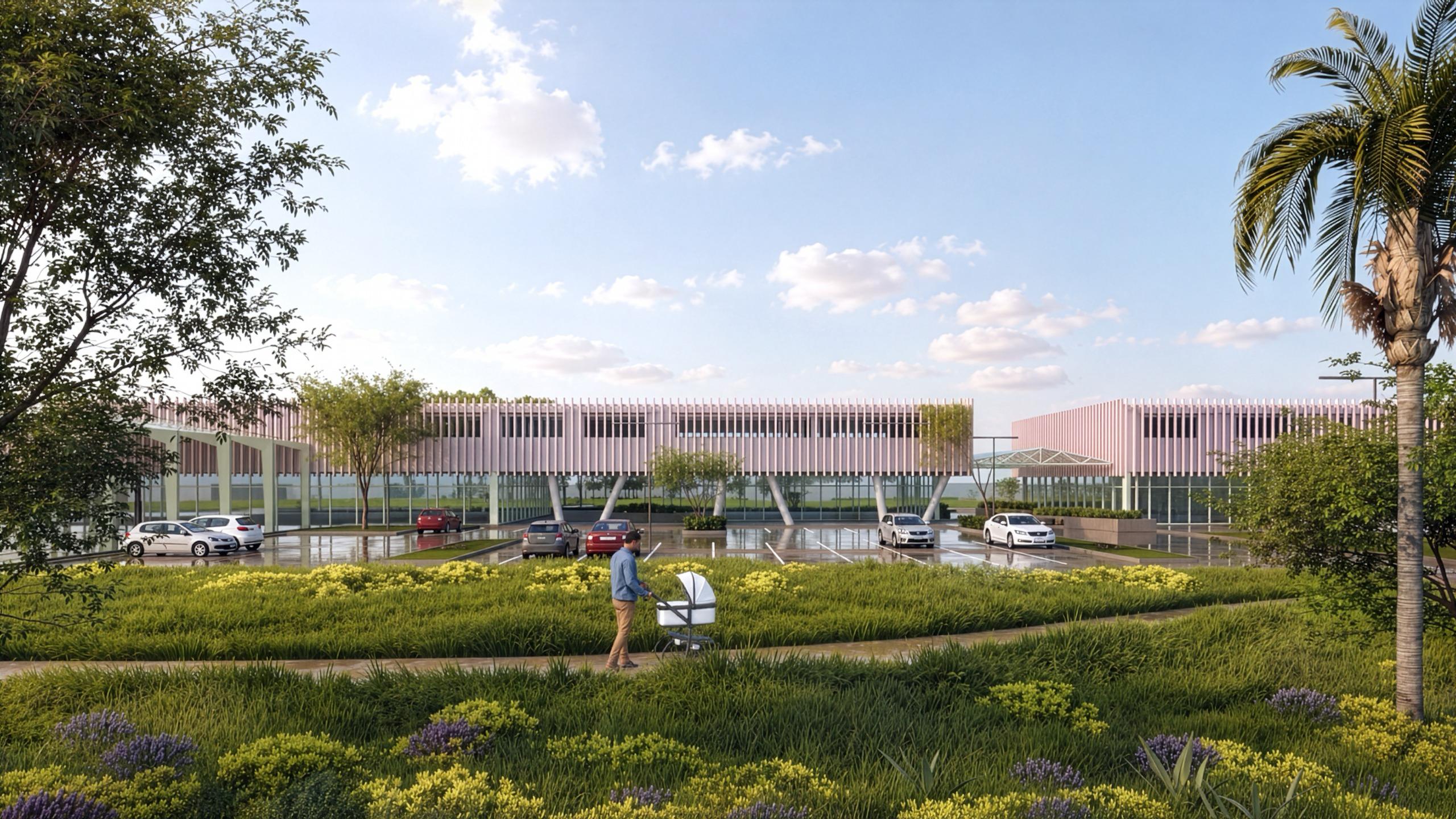
- Early concepts for the PineRidge Resilience Hub, serving residents in everyday conditions and emergencies alike.
- Resilient housing concepts for Drake Avenue and Garden Villas.
- Introductions between the government and potential private funders.
Impact Numbers
155
people convened
4
signature initiatives in development
Key Findings
Demonstration projects, more than the framework document itself, have held funder attention. Current zoning and development patterns remain the practical limit on how much housing the island can add.