To support communities and municipalities to build economic resilience, RCC began implementing Neighborhood Economic Resilience Assessments in mid-2020. These assessments provide a data-rich evidence base that has been used by community leaders and governments to prioritize community-level actions, to validate ideas, and to design initiatives for immediate recovery from the COVID-19 crisis and for longer-term economic vitality and equity.
The Problem
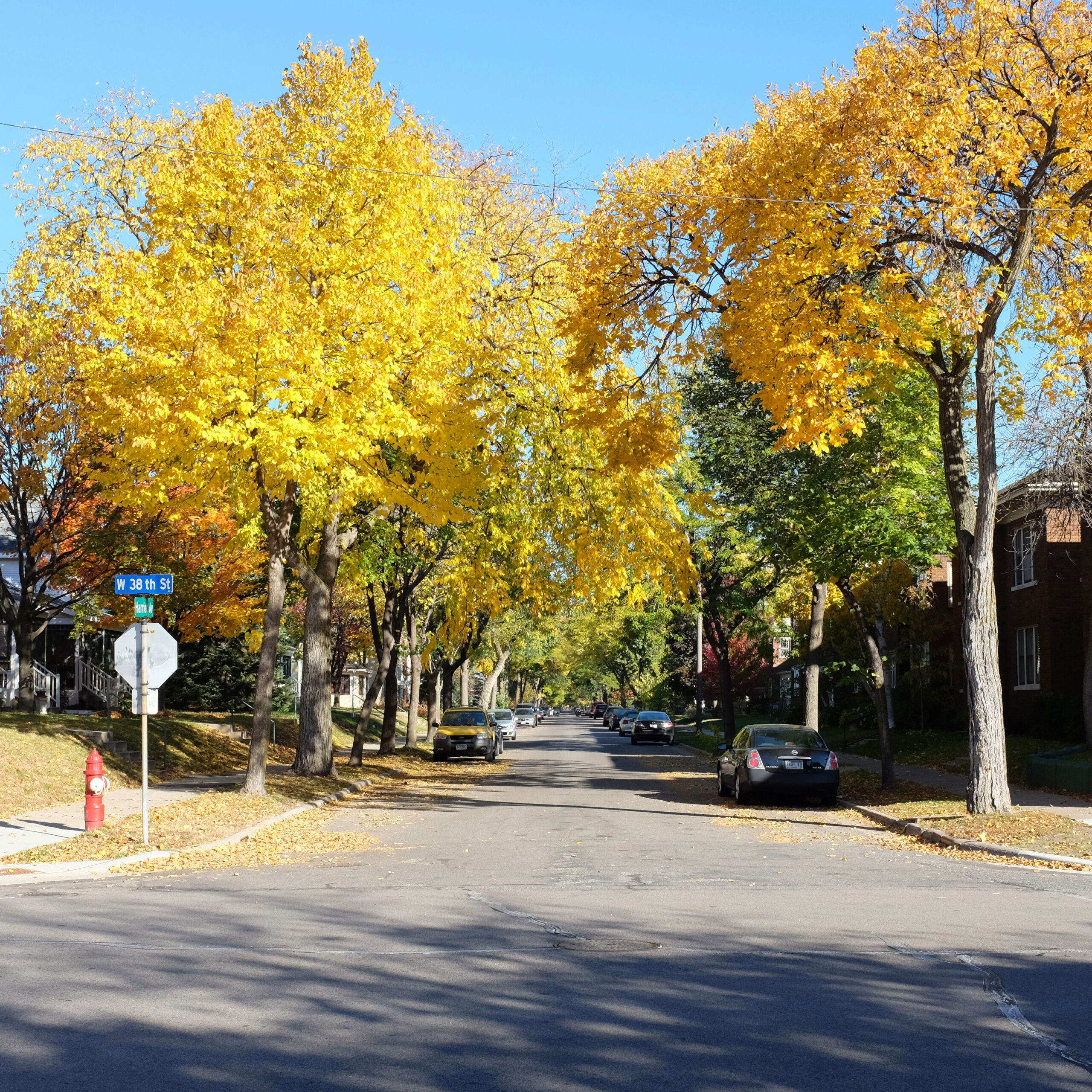
In 2018, more than 100 million Americans lived in neighborhoods that suffered chronic economic distress. Then the 2020-2021 COVID-19 crisis hit, further compounded by events like the George Floyd murder in the 38th Street District neighborhood of Minneapolis. The depth of the crisis, together with the rise of grassroots social justice movements, began to force investment, innovation, and reform at all levels to help these communities recover and address their exposed economic vulnerabilities, spurring the design of initiatives that can restore economic vitality.
Intended Outcomes
By partnering directly in the preparation and review of these assessments with municipal leaders and departments as well as community anchor institutions and resident representatives, the findings directly informed both near-term recovery programming and longer-term investment plans.
Our Work Streams
- Economic Resilience Assessments
- Recovery Planning
- Community Engagement