A funder briefing built from interviews with community organizations across the flood-affected region.
The Problem
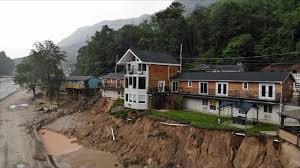
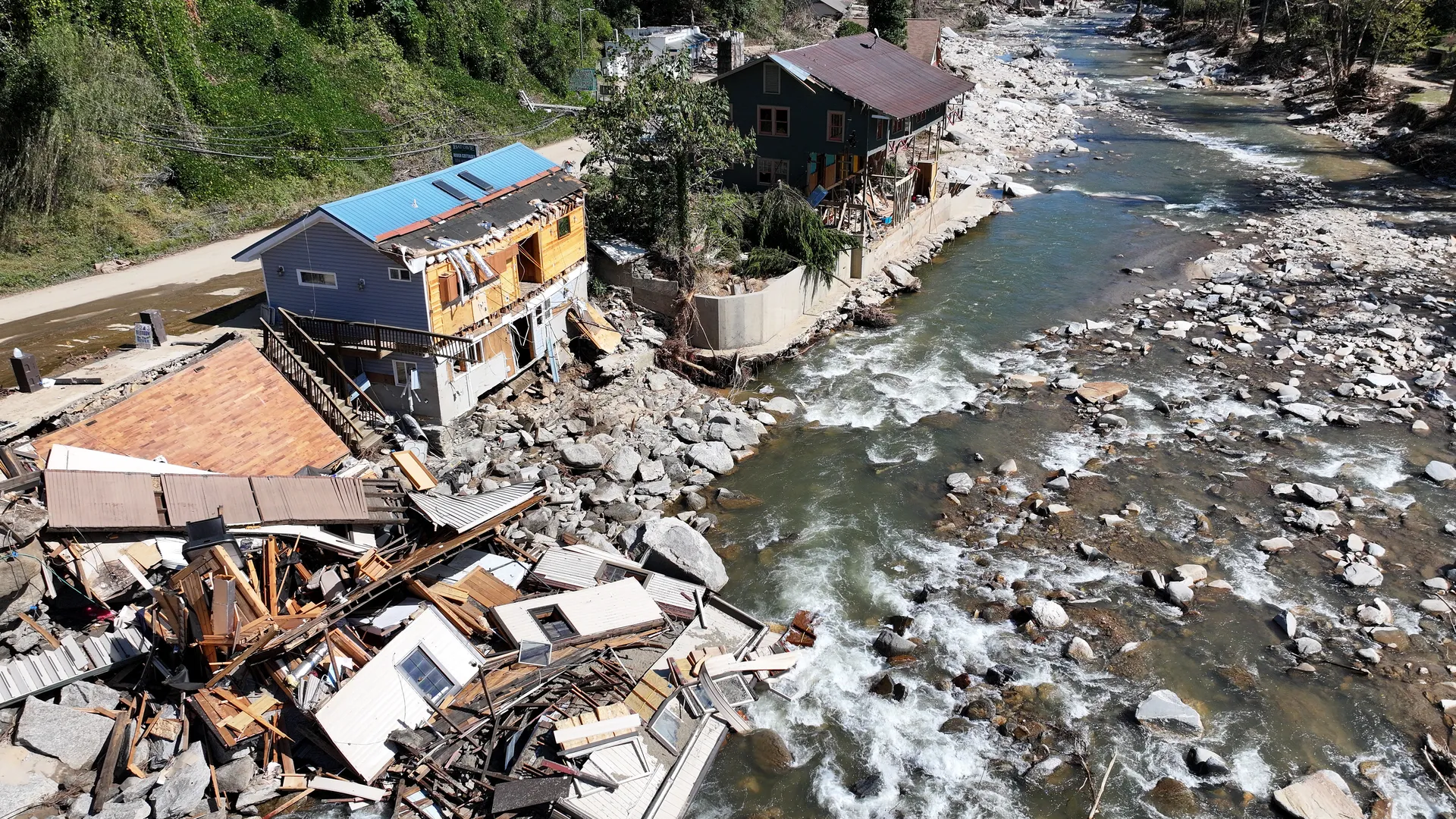
In September 2024, Hurricane Helene caused catastrophic flooding across Western North Carolina, leaving communities devastated and causing an estimated $59.6 billion in damage and recovery needs. Two years later, much of that need remains unmet, with significant gaps between the resources required to rebuild and the funding available to support recovery.
The impacts extend across nearly every aspect of daily life. Critical infrastructure, including water and sewer systems, roads, and communications networks, requires extensive repairs and stronger protection against future storms. Many homeowners, particularly those without flood insurance, face significant financial barriers to rebuilding their homes. Small businesses, especially those that depend on tourism, continue to grapple with lost revenue and the challenge of restoring their operations. For many communities, recovery remains a long and uncertain process.
The challenge facing Western North Carolina is not a lack of recovery plans. Counties, municipalities, nonprofits, and state agencies have developed strategies to guide rebuilding and strengthen long-term resilience. The harder task is translating these plans into funded, implementable projects. Federal, state, and private funding opportunities remain fragmented, with complex application requirements and compliance processes that can be difficult to navigate. Smaller local governments often lack the staff capacity to pursue multiple funding opportunities while managing their day-to-day responsibilities. At the same time, national funders need a clearer understanding of shared regional priorities and investment opportunities to direct resources where they can have the greatest impact.
With support from Dogwood Health Trust, Resilient Cities Catalyst (RCC) is partnering with the Land of Sky Regional Council (LOSRC), MountainTrue’s Appalachian Design Center, and Concordia to help Western North Carolina turn its recovery priorities into funded projects. RCC’s role is to link local plans with state, federal, and philanthropic funding and to draw national funders into the region’s recovery.
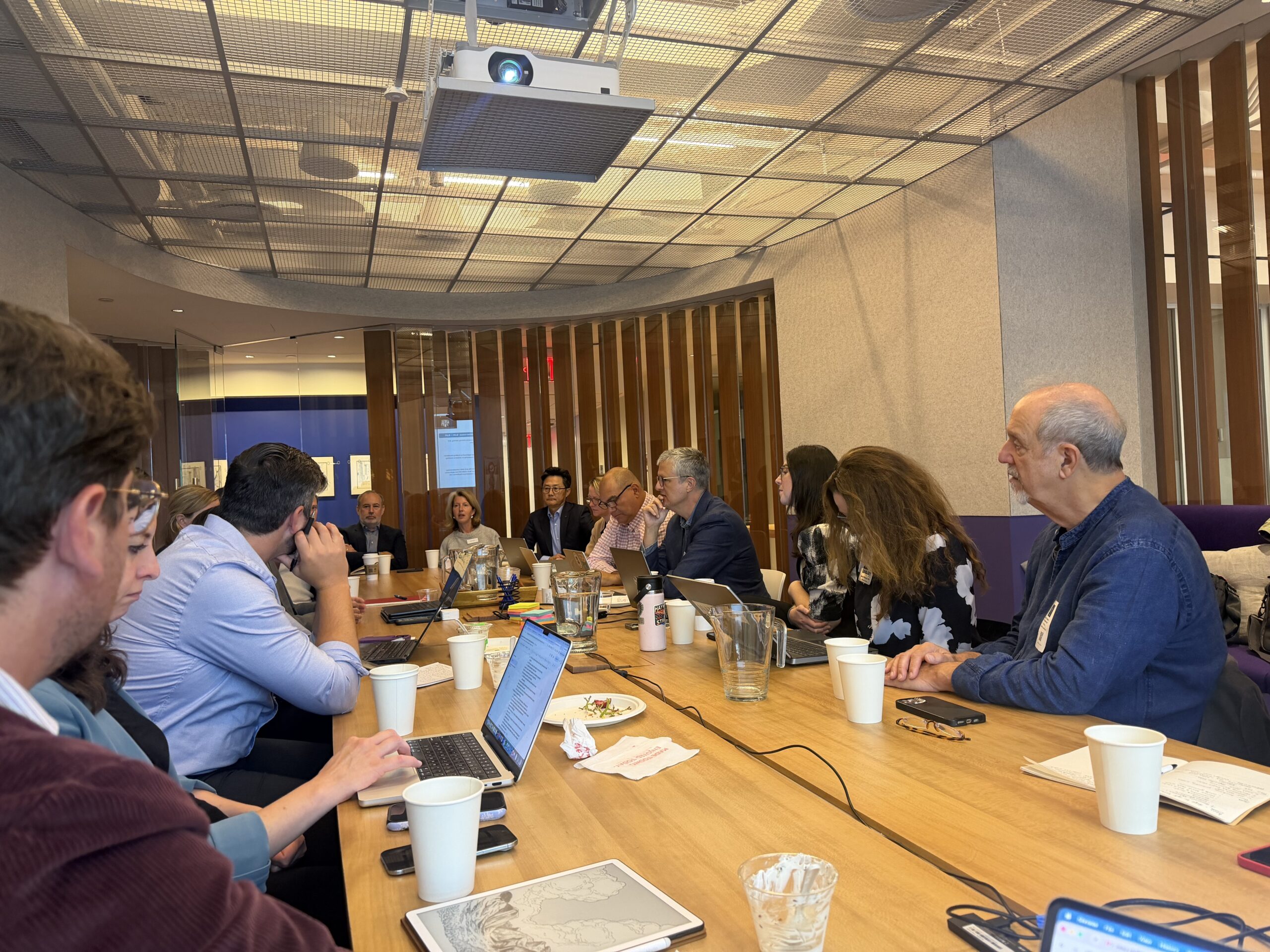
The work started with a review of several recovery plans from across the Land of Sky region. The team mapped each plan’s priorities, the resources already in place, and the gaps that remain. Interviews with local partners then helped test and sharpen these findings. The result was a set of shared recovery themes, which the team presented to local funders at a roundtable discussion.
Intended Outcomes
Recovery funding reaches the priorities communities have identified themselves, supported by a shared reference point that regional funders can use in their next round of decisions.
Our Work Streams
- Interviews with community organizations across the affected region.
- A short briefing matching recovery priorities to specific funding opportunities.
- Develop a funder tracker that identifies philanthropic dollars that could support the region’s defined priority areas.
Impact Numbers
1
regional funder partnership
1
funding briefing in production
Key Findings
The briefing is being finalized. Interviews surfaced a consistent gap between the way recovery programs are structured and the capacity local organizations have to absorb and manage those resources.